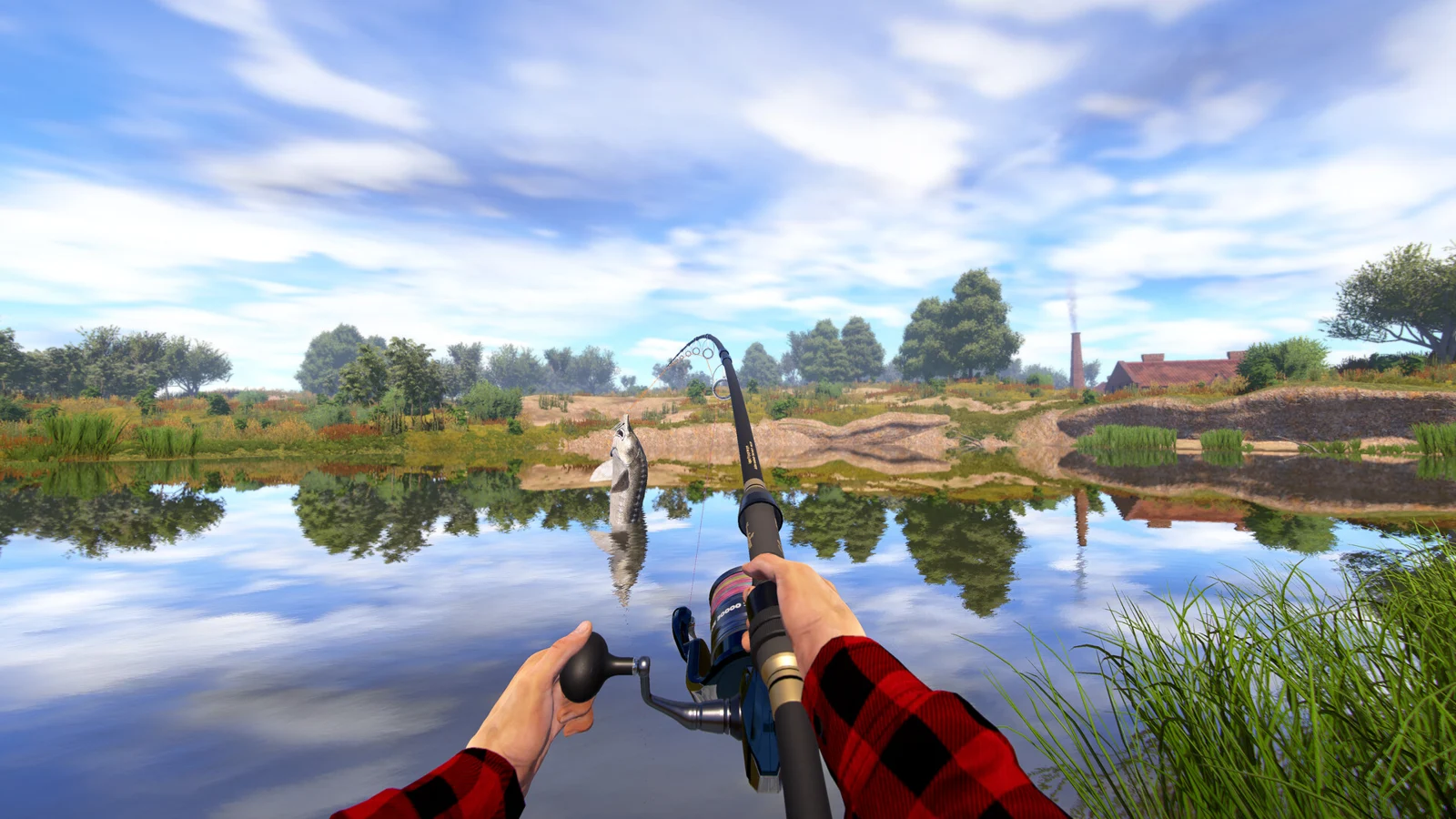
Choose a comfortable working position
Bottom fishing asks for a little organisation at the bank. Before thinking about several rods, choose a place where you can stand, cast and manage the equipment you currently understand. A position that looks convenient on a map may still be awkward for the routine you intend to use. Give access and visibility a role in the decision alongside the water you want to reach.
Begin with an assembled setup whose components and purpose are clear. Know which rig you selected, how the weight or feeder belongs to it and what bait you are presenting. A familiar waterway lets you concentrate on these decisions. It is a useful setting for learning the method without combining a complicated equipment change with the uncertainty of finding your way around an entirely new location.
Make the cast something you can describe
A repeatable cast has a direction and a distance you can explain. Use visible references and whatever appropriate controls your setup provides to keep track of the area you are testing. The purpose is not mechanical perfection. It is enough consistency to know whether a later change still belongs to the same question or has moved the presentation somewhere else.
Record the intended area before writing a conclusion about the bait. If casts spread across very different parts of the water, the comparison contains more changes than the bait label suggests. That does not make the outing worthless; it simply changes what you can honestly learn from it. A clear note about direction and preparation is more useful than an impressive catch total that leaves the location of the presentation entirely unexplained.
Add complexity only when you can manage it
The game supports bottom-fishing routines that can involve more than one rod, but handling several pieces of equipment is a skill of its own. Add another only when you can still notice the action, reach what needs attention and understand which setup is producing each result. More simultaneous activity does not automatically make a session more informative.
If you are comparing two preparations, label the difference clearly in your notes. Keep the rigs identifiable and avoid changing both repeatedly without recording what happened. The method is already asking you to manage preparation and waiting. A small comparison that you can follow is more valuable than a crowded arrangement where every bite is exciting but you cannot later remember which decision it might be connected to.
Use the return to review the preparation
Before packing away, look at the equipment and supplies you used rather than only the fish. Did the chosen working position remain comfortable? Could you tell which cast and preparation you were evaluating? Was there a repeated interruption you can prevent next time? These questions turn an ordinary session into a useful plan for another visit to the same water.
Choose one improvement rather than redesigning the whole approach. You may need a clearer casting reference, simpler supplies or more practice managing the current number of rods. The answer need not be a larger purchase. Bottom fishing becomes easier to understand when the bank-side routine supports the presentation you intended. A quiet session can then have a clear structure, with enough continuity to notice what changed and enough restraint to avoid conclusions that the outing cannot actually support.